

Determined by Dundee
It will be 4 May before action resumes at Celtic Park, by then we will…

It will be 4 May before action resumes at Celtic Park, by then we will…
Celtic’s defence had to cope with another injury on Saturday: Liam Scales missed out with…
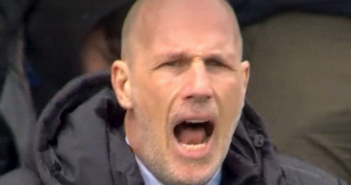
PHILIPPE CLEMENT watched his Ibrox side fire blanks in the scoreless stalemate against Dundee at…

NOW we have all been informed Celtic will face their Ibrox foes in the final Premiership…
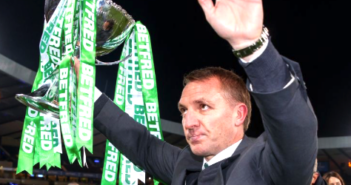
BRENDAN RODGERS will take his Celtic team to Hampden on Saturday for the Scottish Cup…

CELTIC will face Philippe Clement’s Ibrox side at Parkhead on Saturday May 11 after the…

CELTIC fans are used to captain Callum McGregor performing as the champions’ inspirational onfield leader.…
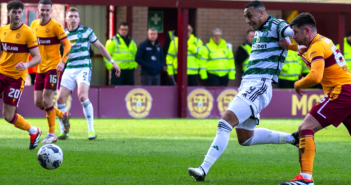
ADAM IDAH admits life has become a bit CRAZY since joining Celtic. The Cork-born Republic of Ireland international…
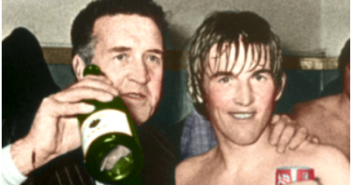
THE legendary Jock Stein masterminded Celtic to his tenth title success 47 years ago today.…
IT WAS tantrum o’clock as a petulant Philippe Clement followed his petted lip down the…
Anyone can win when you are miles ahead and there is no pressure on, but…
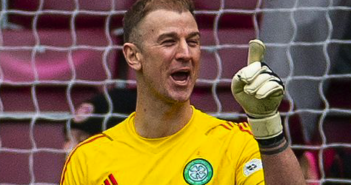
JOE HART admits he is going into the unknown as he prepares to call a…
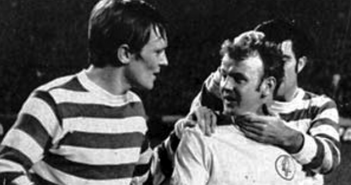
CELTIC overwhelmed the highly-acclaimed Leeds United 2-1 in a the second leg of an unforgettable…
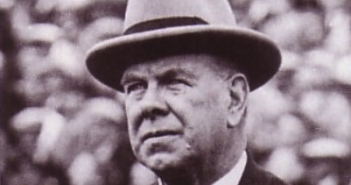
CELTIC were forced to play TWO games in the ONE day as they clinched their…
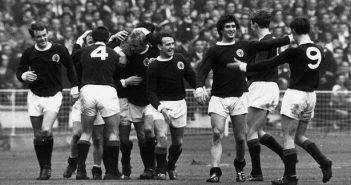
CELTIC great Tommy Gemmell played football with a smile on his face. The sight of…
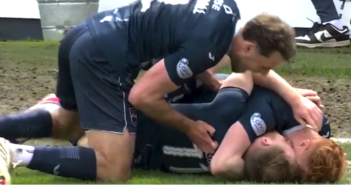
CELTIC remain four points clear at the Premiership pinnacle after Philippe Clement’s Ibrox side collapsed…

KYOGO FURUHASHI netted a landmark goal when he nodded in Celtic’s second in the 3-0…

CELTIC will play Aberdeen in the Scottish Cup semi-final at Hampden on Saturday. But Alistair Johnston…
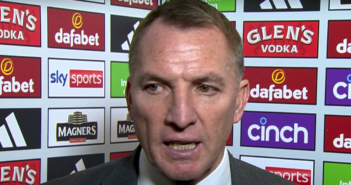
BRENDAN RODGERS applauded Reo Hatate’s impact in the crucial 3-0 victory over stubborn St Mirren at…

FORMER Celtic winger Liel Abada netted his first goal for new club Charlotte FC in their…

CELTIC 3 ST MIRREN 0 IT WAS case of three cheers for the champions as…
Live updates will appear below after 15:00.
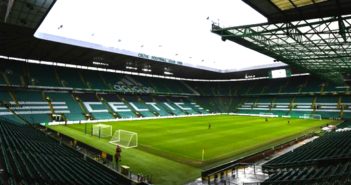
CALLUM McGREGOR starts again on the substitutes’ bench for the crucial encounter against St Mirren at…

BRENDAN RODGERS is convinced Kyogo Furuhashi has responded to the challenge from Adam Idah to…
ONLY Callum McGregor had a clue what was going on in his thought process when…

BRENDAN RODGERS preached caution in skipper Callum McGregor’s battle for fitness. After missing four games,…